Premium Earthwork Contractor Services for Your Next Infrastructure Assignment
Picking an appropriate earthwork professional is necessary for every construction project. These experts play an important role in ground setup, providing a robust base and correct drainage. Their familiarity with different soil compositions and protective measures can significantly affect project outcomes. Yet, determining which choice represents the finest contractor goes beyond just experience. The nuances of their work and advanced techniques justify deeper examination to obtain the greatest results.
Learning about the Value of an Excavation Service Provider
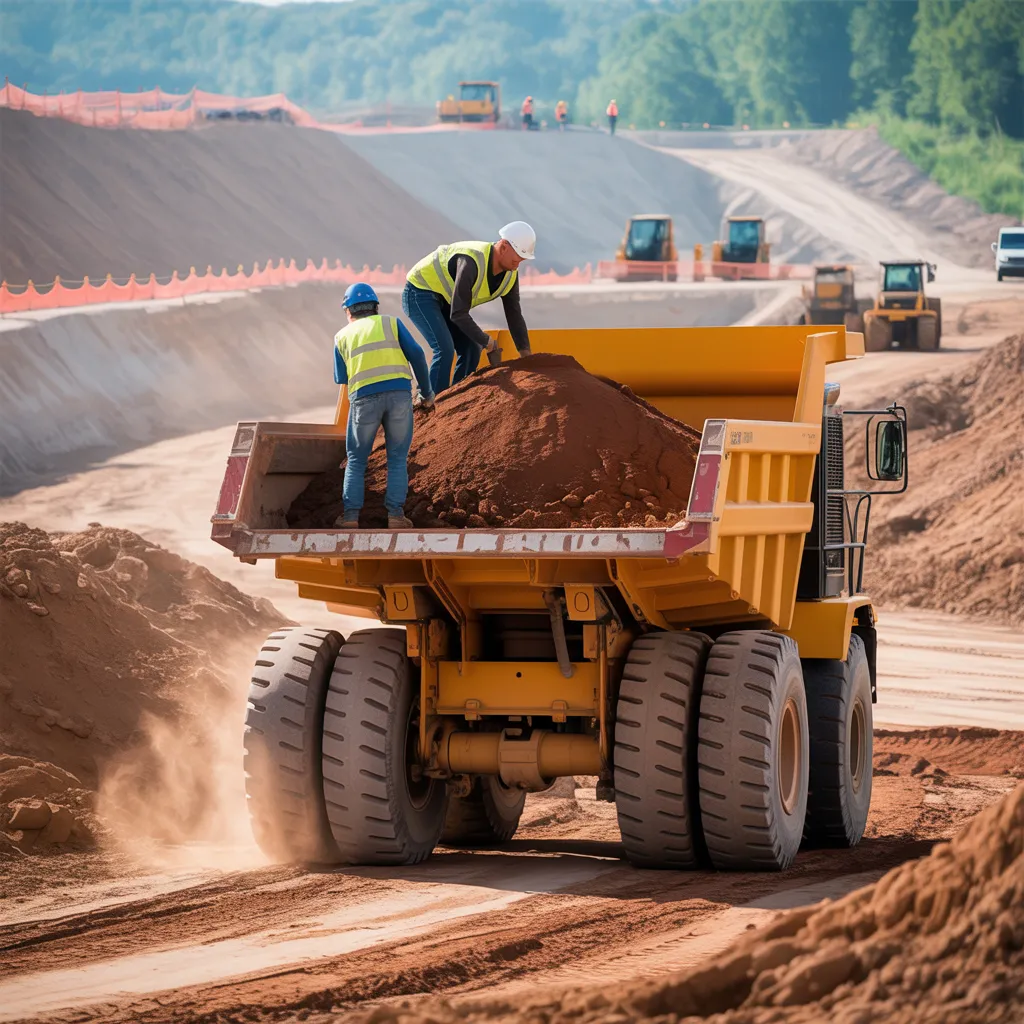
An excavation contractor serves as a crucial element in the construction process, acting as the basis for any building project. They are responsible for preparing the site, which involves clearing the land of obstacles, grading the terrain, and digging trenches for utilities and foundations. This contractor must possess a thorough understanding of ground composition, water management, and regional requirements to guarantee compliance and safety. Their expertise extends to evaluating risks and putting strategies in place to reduce possible dangers during excavation. Additionally, they coordinate with other construction professionals, ensuring that the excavation integrates smoothly with the overall project timeline. The excavation contractor also operates heavy equipment and labor forces, maximizing productivity while maintaining budget limits. By laying the groundwork for subsequent construction phases, they serve a critical function in affecting the project's outcome, making their contributions invaluable to the entire construction process.
Key Services Delivered by Excavation Contractors
Excavation contractors present a comprehensive range of essential services that are vital for the triumphant completion of construction projects. These offerings typically feature site preparation, where contractors clear the land of debris, vegetation, and existing structures to form a suitable foundation. Grading is another significant offering, ensuring the land is leveled to facilitate proper drainage and support for the structure.
Additionally, earthwork specialists are tasked with excavating channels for utilities, such as water, gas, and electricity, which are essential for developing structural foundations. They also perform foundation excavation, extracting earth materials to create a dependable platform for new structures. Contractors may deliver specialized services like structural removal, where they carefully deconstruct existing buildings, and terrain reinforcement to optimize ground conditions. These key services collectively guarantee the groundwork is appropriately managed, laying the foundation for a successful construction project.
The Essential Role of Safety in Excavation Work
Construction ventures naturally include various risks, especially in excavation work involving heavy machinery and deep digging. Safety is paramount in this field to protect workers, nearby residents, and the integrity of the project itself. Excavation sites are laden with hazards, including cave-ins, equipment accidents, and exposure to underground utilities. Consequently, implementing strict safety protocols is essential.
Excavation contractors need to give priority to training and compliance with safety regulations, making sure that every worker is equipped with the essential expertise and knowledge to spot and manage risks. Regular safety audits and equipment inspections further enhance site safety. Additionally, utilizing proper signage and barriers can help prevent unauthorized access and accidents. Ultimately, a strong safety culture not only safeguards lives but also promotes project efficiency and reduces costs associated with accidents and delays. A commitment to safety reflects a contractor's professionalism and dedication to delivering successful outcomes in excavation work.
Current Digital Advances in Soil Removal Work
As tech continues to progress, the excavation industry is experiencing major transformations that enhance productivity and precision in operations. Modern machinery equipped with GPS and laser navigation systems allows for accurate grading and depth control, reducing the risk of human error. Drones are increasingly utilized for site surveys, providing real-time data and aerial imagery that streamline project planning and monitoring. Additionally, 3D modeling software enables contractors to visualize project layouts, optimizing the excavation process and minimizing waste.
Automation is reshaping the industry, with mechanized excavation equipment and advanced telematics systems optimizing equipment output and maintenance planning. These technologies not only streamline workflows but also reinforce protection measures by monitoring project site status and machinery capabilities. By combining such contemporary solutions, construction specialists can provide solutions more effectively, confirming punctual project delivery while preserving high standards of safety and quality. This advancement in technology marks a significant shift in how excavation work is performed today.
Picking the Ideal Earth-moving Contractor
How can one ensure the selection of a competent excavation contractor? The process starts with thorough research. Prospective clients should request recommendations from industry professionals and review online reviews. Assessing a contractor's experience in comparable work is critical, as it reflects their ability to manage specific site challenges.
Next, checking insurance coverage and licenses guarantees adherence with local regulations and protects against liabilities. A experienced contractor should also provide a detailed body of previous work, demonstrating their expertise and quality expectations.
In addition, it is necessary to appraise the contractor's apparatus and platforms, because advanced equipment can greatly enhance efficiency and safety.
To summarize, direct communication is required; a contractor should be inclined to exchange ideas about project timelines, potential issues, and strategies. By taking these steps, clients can confidently pick an excavation contractor who meets their project requirements and goals.
Cost Factors in Excavation Services
Knowing the cost factors in excavation services is essential for efficient project budgeting. Key details include the size of the project, which directly influences the volume of material to be moved, as well as site accessibility, which may affect equipment requirements and labor efficiency. In addition, equipment and labor costs vary considerably based on the specific demands of the excavation task at hand.
Project Scale Effect
The size of a construction project significantly influences the costs of excavation services, as larger sites frequently require more comprehensive planning and resources. Excavation amount rises with project scale, leading to higher labor, equipment, and material costs. Besides, larger projects may demand more advanced technology and specialized machinery, thus increasing expenses. The ground complexity also plays a significant role; bigger areas may present varied geological conditions that need tailored excavation methods. Furthermore, extensive projects usually involve longer timelines, resulting in increased overhead costs. All these factors combined highlight the more information importance of accurately determining project size to efficiently budget for excavation services, ensuring that contractors can execute the required work efficiently and within financial limits.
Site Accessibility Factors
Site approachability markedly impacts the cost of earthmoving operations, as it determines the ease with which machinery and materials can reach the project area. If a site is challenging to access due to narrow pathways, sharp inclines, or urban congestion, extra measures may be necessary. These may include specialized vehicles, extensive preparation, or even road changes, all of which can increase overall expenses. Moreover, restricted access can lengthen project schedules, leading to higher workforce and equipment leasing expenses. On the other hand, a site with straightforward entry can enable smooth operations, cutting expenses. Finally, understanding site approachability is essential for precise financial planning and planning, as it serves as a key part in determining the overall feasibility and cost of earthmoving undertakings.
Equipment and Labor Costs
While excavation projects require careful planning and execution, tool and workforce expenses emerge as key factors that can greatly influence overall expenses. The type of machinery utilized, such as excavators, bulldozers, and backhoes, substantially affects pricing. Equipment rental or purchase costs, along with maintenance and fuel expenses, can accumulate quickly. Additionally, the expertise and number of laborers required for the project play a pivotal role in determining labor costs. Skilled operators command higher wages, reflecting their specialized training. Furthermore, project duration can extend costs, as longer timelines often necessitate additional labor hours and equipment rental days. As a result, a thorough understanding of these cost factors is essential for accurately budgeting excavation services in construction projects.
Case Studies: Accomplished Excavation Projects
A multitude of digging endeavors have illustrated the vital role of experienced contractors in ensuring successful building results. One notable example featured a business office building in an urban area, where contractors faced challenging ground circumstances. Through innovative techniques, such as ground reinforcement and proper drainage systems, the project was finished on time, minimizing interference to nearby commercial establishments.
A further example is a residential development where the builder's proficiency in land preparation facilitated effective drainage solutions. This not only increased the property's worth but also guaranteed compliance with regional regulations.
Additionally, a major construction project highlighted the significance of coordination between digging crews and utility companies. By utilizing advanced technology for subsurface surveying, the builders avoided costly delays and ensured the protection of existing utilities.
These case studies illustrate that seasoned excavation experts are vital for managing complexities, consequently contributing significantly to the overall success of construction undertakings.
Frequently Posed Questions
What Skills Should I Seek in an Excavation Contractor?
When selecting an excavation contractor, one should assess requirements such as appropriate licenses, insurance coverage, experience in similar projects, certified safety standards, equipment quality, and strong references to confirm trustworthiness and competence in their services.
How much duration should you expect for an excavation project?
An excavation project typically spans anywhere from a few days to several weeks, dependent upon factors like project size, site conditions, and complexity. Each project is unique, modifying the overall timeline considerably.
What Types of Machinery Do Excavation Contractors Use?
Excavation contractors regularly leverage bulldozers, backhoes, excavators, and dump trucks. These machines optimize various tasks, including digging, grading, and transporting materials, ensuring timely project delivery while adhering to safety standards and environmental regulations.
Can Digging Operations Be Completed in Winter?
Excavation operations may be conducted in winter, but it creates challenges such as frozen ground and unfavorable weather patterns. Builders often leverage specialized equipment and techniques to address these obstacles and maintain efficiency during colder months.
Which Permits Are Essential for Earth-moving Operations?
Excavation projects routinely need clearances such as land disturbance permits, excavation permits, and possibly environmental permits. Local codes differ; therefore, it's essential for construction companies to confer with local authorities to secure adherence with all necessary requirements.