Land Clearing Solutions: Getting Your Property Ready for New Opportunities
Land clearing operations are crucial for turning neglected or cluttered properties into functional spaces for development. These experts carefully eliminate barriers, guaranteeing a solid groundwork for upcoming projects. With a clear understanding of site assessments and environmental regulations, they enhance both safety and accessibility. Nevertheless, selecting the appropriate service can be challenging, and grasping the process is critical. What aspects should property holders examine before beginning this undertaking?
How Land Clearing Transforms Your Property Development Journey
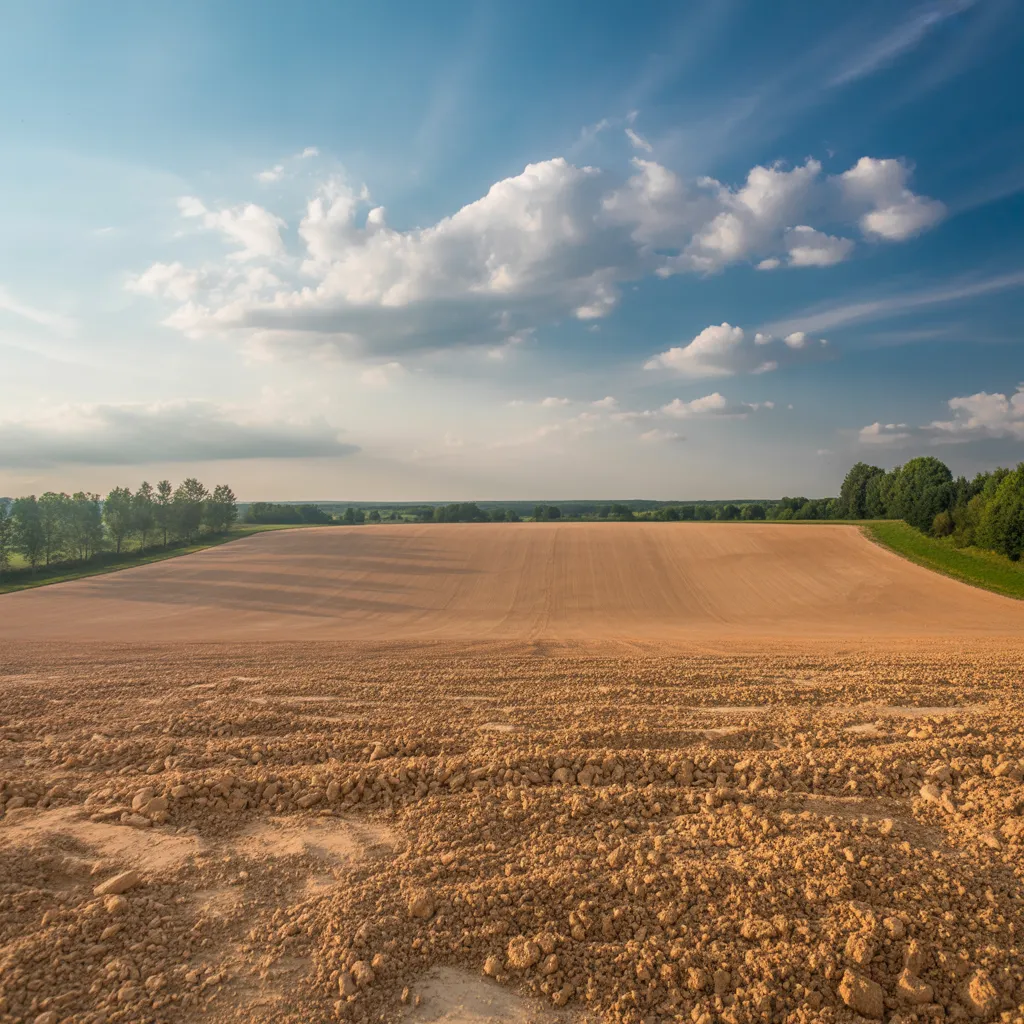
Land clearing kickstarts the transformation of the property development process by getting the site ready for construction ahead. This fundamental first stage entails clearing obstacles such as trees, shrubs, and debris, establishing a blank canvas for builders and architects. By creating a smooth and even surface, land clearing improves site accessibility, allowing for efficient movement of equipment and materials.
In addition, it sets the groundwork for successful planning and design, as planners can visualize the arrangement and positioning of constructions more accurately. The procedure also aids in identifying probable environmental concerns, such as drainage issues or soil quality, facilitating proactive solutions.
Additionally, land clearing can increase safety by minimizing hazards associated with dense vegetation and uneven terrain. In the end, this transformative measure not only simplifies construction but also encourages a well-planned and systematic approach to real estate development, creating the foundation for future possibilities.
Steps Required in the Land Clearing Process
Clearing a site involves a number of essential steps that ensure an effective and streamlined process. Initially, a comprehensive site evaluation is performed to detect barriers including rocks, trees, and plant growth. This assessment informs the strategic phase, where clearance plans are formulated, considering environmental regulations and potential impacts.
Next, property owners are often required to secure the appropriate permits, securing compliance with local laws. Once cleared to proceed, large machinery, such as bulldozers and excavators, is deployed to eliminate vegetation and unwanted debris. Throughout this stage, careful attention is given to minimize soil disturbance and protect surrounding areas.
Upon completing the extraction, the land receives ground preparation to form a even surface, setting up it for future building projects or landscaping. Finally, remnants is removed responsibly, frequently utilizing recycling or mulching, ensuring the site set for new possibilities. Every step is essential to secure a effective land preparation project.
How to Select the Top Land Clearing Company for You
Selecting the most suitable land clearing contractor demands careful consideration to confirm the project satisfies both standards and regulations. To begin, potential prospects should assess the company's experience and knowledge in managing similar undertakings. A reputable company with a strong performance record is often more reliable.
Next, it is vital to check that the service provider carries the necessary licenses and insurance, securing both the property owner and the land while the clearing is underway. Furthermore, checking customer feedback and testimonials can give helpful insights into the company's track record and quality of work.
Cost assessments are also crucial, as they should be open and thorough, detailing all anticipated expenditures. Customers should request several bids to verify they are being offered reasonable costs. Finally, effective communication is essential; a responsive company will address questions and concerns promptly, encouraging a cooperative and supportive dynamic. Taken as a whole, these elements guide clients toward choosing the right land clearing contractor for their unique situation.
Sustainable Practices in Land Clearing
Embracing sustainable practices in land clearing is crucial for minimizing environmental impact and promoting ecological balance. Companies committed to sustainability implement methods that minimize soil degradation, protect indigenous plant life, and conserve regional wildlife areas. Approaches including precision clearing enable the elimination of designated plants and vegetation, limiting interference with the natural habitat.
Moreover, using contemporary machines built for reduced-impact procedures helps minimize soil compaction and damage to nearby plant life. Once clearing is complete, practices like replanting trees and establishing cover crops help rehabilitate the terrain, improving ecological diversity and soil quality.
Furthermore, adopting sustainable recycling methods, such as transforming cleared vegetation into mulch, compost, or biofuel, contributes to a closed-loop economy. By prioritizing these green approaches, land clearing companies can make certain that future construction and development supports environmental stewardship, promoting a healthier natural landscape for generations to come.
Steps to Prepare Your Land for Future Projects
Before starting any construction or landscaping project, adequate land preparation is discover now crucial to ensure a successful result. Initially, one must assess the terrain's topography, soil composition, and drainage characteristics. This evaluation allows for informed decisions regarding fitting plant life, structures, or further developments. Removing debris, rocks, and undesirable vegetation from the land is essential, as it establishes a fresh foundation for upcoming work.
Next, soil testing should be conducted to evaluate nutrient composition and pH readings, allowing for essential modifications to support vigorous plant development. In addition, establishing the project's boundaries helps streamline the process and minimizes potential disputes later on.
In conclusion, crafting a thorough plan that describes the project's scope, timeline, and budget is critical. This structured methodology not only creates transparent benchmarks but also operates as a directional plan for all participating parties, ensuring efficient progress toward achieving the envisioned goals.
Why Hire Professionals for Your Land Clearing Needs?
Bringing in experts for land clearing guarantees access to professional expertise in equipment handling and upkeep. Their knowledge of safety guidelines and industry standards reduces dangers linked to the clearing process. Consequently, this skilled approach enhances efficiency and promotes a safer working environment.
Expertise In Equipment Use
Maneuvering the complexities of land clearing requires professional expertise and advanced equipment, which is where professional services shine. Experts have comprehensive training in handling advanced machinery, such as stump grinders, excavators, and bulldozers. This expertise guarantees that jobs are finished thoroughly and efficiently, minimizing damage to the surrounding environment. Additionally, skilled contractors are knowledgeable about the latest techniques, empowering them to address difficult landscapes and heavy vegetation with skill. Their expertise not only boosts efficiency but also minimizes the chance of expensive errors that can result from incorrect machinery operation. By engaging skilled contractors, landowners can rest assured that their land will be thoroughly and professionally cleared, preparing the groundwork for future development or improvements.
Safety And Compliance Standards
A comprehensive grasp of safety regulations and standards is essential in land clearing endeavors, as it ensures the safety of both workers and the environment. Land clearing professionals are equipped to comply with industry best practices and local regulations, limiting risks associated with hazardous materials, heavy machinery, and environmental degradation. They enforce essential safety protocols, including the utilization of personal protective equipment and conducting risk assessments prior to beginning work. Compliance with regulations not only mitigates potential legal issues but also supports environmentally sound land management. Hiring experts confirms that all processes are carried out safely and efficiently, permitting property owners to concentrate on their goals without the stress of managing complicated regulatory and safety requirements.
Questions We Often Receive
What Permits Are Required for Land Clearing Projects?
Required permits for land clearing projects generally include environmental permits, grading permits, and in some cases local zoning approvals. Rules and regulations differ by location, so consulting local authorities confirms compliance with all relevant legal requirements before starting the project.
How Much Time Does the Land Clearing Process Usually Require?
The land clearing procedure usually spans one to several weeks, influenced by factors such as the total area size, the thickness of vegetation, and local weather conditions. Each individual project is distinct, significantly affecting the overall timeline.
Does Land Clearing Enhance Property Value?
Indeed, land clearing has the potential to boost property worth. By getting rid of barriers and improving the overall appearance, it causes the land to become more appealing to prospective buyers, thereby boosting marketability and total value of the property in the real estate market.
What Equipment Is Used in Land Clearing?
Land clearing generally makes use of equipment such as bulldozers, excavators, chainsaws, and chippers. This equipment efficiently clears trees, shrubs, and debris, ensuring the land is prepared for agricultural activities or future development.
Are There Risks Associated With DIY Land Clearing?
Indeed, there are risks associated with DIY land clearing such as harm from operating heavy machinery, damage to surrounding property, and environmental harm. Furthermore, improper techniques can lead to legal issues regarding permits and regulations, adding further complexity to the overall process.